

If youve ever tried shipping something bulky, say, a 10 lb case of protein powder or a box bigger than a breadmaker, you know its not exactly cheap. Once you cross that line, shipping gets… complicated.
The price hikes fast. And if you pick the wrong carrier or dont know about sneaky surcharges? You could be throwing money away with every shipment.
Whether youre running an ecommerce brand or just trying to send something big to a customer (or your cousin in Arizona), this guide is here to help. Well break down your best options: UPS, FedEx, USPS, regional carriers, and freight and explain when each makes sense.
Well also share some real talk on why heavy shipping costs what it does, how to avoid the biggest pricing traps, and where smart brands are finding relief like with SaverShip by lite prepcenter, which hooks you up with major carrier discounts for heavier shipments.
So if youre trying to ship big boxes without wrecking your margins (or your patience), stick around. This guide is built to help you do just that.
Jump right in: The Cheapest Way to Ship Heavy and Large Items
The Cheapest Way to Ship Heavy Items
Why Heavy and Bulky Packages Cost More to Ship
Youd think heavier = more expensive would be simple math. But when it comes to shipping, theres a whole tangle of fees, formulas, and frustrating fine print working behind the scenes. Heres whats actually going on when you get hit with that eyebrow-raising shipping quote.

Weight Surcharges: The Oof, Thats Heavy Tax
The moment your package tips past 50 lbs, most carriers start charging what they call an additional handling fee. UPS and FedEx especially love this one. Why? Because heavy stuff takes more muscle, more care, and more time to move.
Were talking $20 or more per box, just because its hefty.
And these surcharges? They’ve crept up over the years, so much so that in some cases, they double the cost of shipping a large item. For ecommerce sellers shipping dumbbells or big toolkits, that extra cost can eat right into your margins.
So yeah, weight matters. But weirdly, its not always the heaviest boxes that hit you the hardest…
Dimensional Weight: Paying for Air (Basically)
Ever ship something light but huge? Like a giant plushie or a box of crumpled packing paper? Thats where dimensional weight, or DIM weight, comes in.
Carriers dont just care about how much your box weighs on a scale, they also charge based on how much space it takes up in the truck or plane. So they calculate a “theoretical weight” based on the size of your box. If its big and awkward, even if its filled with feathers, theyll pretend it weighs more and charge you accordingly.
Example: Your 15 lb box of pillows? Could be billed as 35 lbs. Ouch.
If youre not paying attention to DIM weight, youre probably overpaying, especially for big, light items. The fix? Use smaller, tighter packaging when possible, and dont pay to ship empty space.
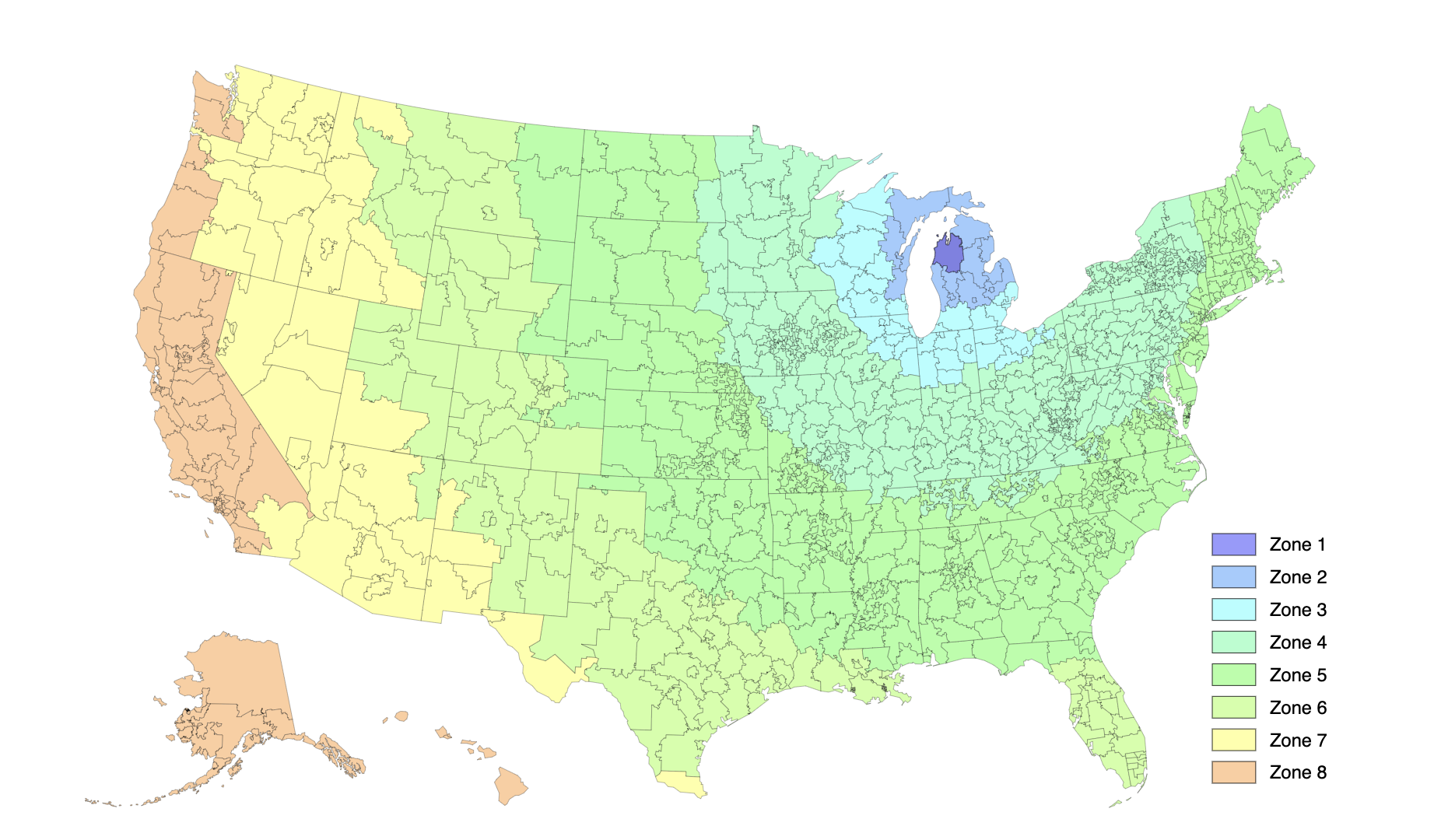
Shipping Zones: The Further It Goes, The Pricier It Gets
Distance matters. Every major carrier uses zone-based pricing, which means the more ground your package has to cover, the more you pay.
Lets say youre shipping a 60 lb blender from Chicago to a customer in San Francisco. Thats a high-zone delivery, and its gonna cost a lot more than sending it to someone in Ohio. USPS especially can get surprisingly expensive on cross-country heavy shipmentssometimes even more than FedEx or UPS.
That said, shorter trips = cheaper rates, and USPS can actually be a great deal in lower zones.
So if youre shipping heavy products across the country, it might be time to rethink your fulfillment setup or look at options like SaverShip (more on that later) that reduce those distance-based hikes.
Oversize Rules: Because Big Boxes Break the Rules
Even if your item isnt super heavy, carriers have size limits and stepping over those lines can bring a whole new set of fees.
Some things to know:
- UPS and FedEx wont accept packages over 150 lbs for regular ground. Youll need freight for that.
- Packages over 108 inches in length or more than 165 inches in length plus girth? Thats oversize territory.
- Even before hitting those hard limits, you can trigger a Large Package Surcharge if your box is over ~96 inches long or if the length-plus-girth combo passes 130″.
Translation? You dont have to break their rules to get hit with a penalty just getting close can cost you.
So Why Is It All So Expensive?
Because heavy and bulky items are a pain to move. They:
- Take up more room
- Require special handling
- Strain delivery systems
- And often need more manual labor, equipment, or specialized trucks
Its not just one fee, its a stack of them. But the good news? Once you understand how and where these charges come from, you can actually work around them.
Right-sized packaging, smart zone management, and choosing the right shipping service (like one that doesnt nickel-and-dime you for every pound or inch) can make a massive difference.
Which Carriers Got Your Back for Heavy Stuff?
Lets be realonce your package crosses into thats gonna hurt my back territory, shipping gets tricky. But choosing the right carrier? Thats half the battle. Each option has its strengths, quirks, and hidden fees waiting to sneak up on you like a cartoon anvil.
So, whats the best way to ship your 575 lb item across the country (or just a few states away)? Lets break it down.

UPS & FedEx: The Old Reliables (with a Few Caveats)
UPS and FedEx are like the sturdy pickup trucks of parcel delivery. Theyll haul just about anything under 150 lbs, and theyve got the infrastructure to do it well. Ground shipping is where they shine, reliable, trackable, and surprisingly affordable once you get past the sticker shock.
But heres the catch: they love a good surcharge.
- Got a box over 50 lbs? Thats an extra fee.
- Is your box long, weirdly shaped, or too bulky? Theres a fee for that too.
- Shipping to a home instead of a business? Yep, residential surcharge.
Despite the added costs, both carriers can actually be cheaper than USPS for larger shipments, especially if youre using discounted rates through a fulfillment partner or business account. And if youre shipping consistently, you might be able to negotiate those surcharges down. (Or better yethave someone like lite prepcenter handle that mess for you.)
Bottom line: If youre shipping something hefty to a customer across the country, UPS or FedEx Ground is often your best bet, just keep an eye on the fine print.
Managing Fulfillment doesnt have to be a hassle.
Partnering with a 3PL like lite prepcenter means you can focus on growing your business while we handle the details. Request a Free Quote Today!
USPS: Surprisingly Good… Until It Isnt
We all know USPS isnt the first name you think of for shipping a 60 lb barbell. But hear me out: if your heavy item fits inside a Flat Rate Box, the Postal Service suddenly becomes your budgets best friend.
- Flat Rate = fixed cost, even if you stuff it like a Thanksgiving turkey (up to 70 lbs).
- Its great for dense itemsbooks, tools, metal partsanything that packs weight into a small space.
Now for the but
Once you go outside of flat-rate territory, things get priceyespecially if your package has to travel far. Zone-based pricing kicks in, and USPS rates for heavy shipments tend to spike once you get into Zones 68. Plus, 70 lbs is their hard limit. No exceptions.
And dont forget their size capsif your box is oversized, theyll either reject it or slap you with dimensional pricing that makes no sense until you cry over the receipt.
Use USPS when:
- Youre shipping under 70 lbs
- The item fits in a flat-rate box
- Youre sending it across a short-ish distance
Avoid it when: your package is large, going coast-to-coast, or flirting with that 70 lb ceiling.
Regional Carriers: The Underdogs Worth Knowing
You ever hear of Spee-Dee Delivery? OnTrac? LaserShip?
If not, youre probably not in their zone, but if you are, you should absolutely see what they charge. Regional carriers often undercut the national guys for local deliveries. Think Midwest-to-Midwest or New York to New Jersey type shipments.
Theyre especially helpful for ecommerce sellers with a regional customer base or recurring orders in a tight geographic area. In fact, if youre consistently sending 3070 lb items across state lines (but not across the country), these smaller players can save you a ton.
Just know:
- Their tracking and infrastructure might not be as polished.
- Youll need different accounts for different regions if you want full U.S. coverage.
- They sometimes fly under the radar, so its on you to do a little recon.
Still, for the right business? Total game-changer.

Freight Shipping: When You’re Way Out of Parcel Territory
Lets say youre not shipping a box, youre shipping a beast.
Maybe its gym equipment. Or a commercial oven. Or twelve boxes at once. Thats when freight shipping becomes the logical move.
Less-than-Truckload (LTL) freight services pick up where parcel carriers leave off. Theyre perfect for:
- Anything over 150 lbs
- Items that need to go on a pallet
- Bulk shipments headed to warehouses or commercial locations
And the per-pound cost? Usually much lower than trying to Frankenstein together a bunch of parcel shipments.
The trade-offs?
- Its slower.
- You may need special equipment (like a liftgate or pallet jack).
- Residential delivery often comes with added charges (and a headache or two).
So unless you’re sending something huge to a business address, freight might feel like using a semi truck to move a loveseat.
Best use case: Youre shipping lots of heavy items together or something that simply cant ship any other way.
So… Who Should You Use?
Theres no one-size-fits-all winner. But heres a quick cheat sheet:
- UPS/FedEx Ground Most versatile for 5150 lb shipments. Reliable, trackable, but watch those surcharges.
- USPS King of the Flat Rate. Great for dense items going short distances. Cap at 70 lbs.
- Regional Carriers The secret weapon if youre shipping within a few states. Lower base rates, but limited reach.
- Freight Heavy-duty shipping for heavy-duty stuff. Think bulk or oversized goods, especially for B2B.
And of course, if youre an ecommerce seller juggling dozens of orders a day, SaverShip from lite prepcenter takes the guesswork out. You get access to deeply discounted rates across multiple carriers, and you dont have to play the which carrier is cheaper for this random zip code game anymore.
Lower Your Costs with Smarter Fulfillment.
Partner with lite prepcenter to move inventory faster and free up cash flow. We help Start-Ups optimize operations so products dont sit on shelves. Request a Free Quote today!
Carrier Comparison for Heavy Shipping
To help you scan the differences, heres a quick comparison table of shipping options and their advantages for heavy or large shipments:
| Shipping Option | Max Weight (parcel) | Advantages for Heavy/Large Items | Important Considerations |
| UPS (Ground) | 150 lbs per package |
– Reliable ground service, handles heavy parcels up to 150 lbs – Often one of the cheapest options for heavy items with robust tracking – Offers UPS Simple Rate flat pricing for boxes up to 50 lbs (if they fit a specified size) |
– Adds Additional Handling fee >50 lbs and Heavy Package label >70 lbs – Large Package surcharge for big dimensions – Volume discounts available for high-volume shippers |
| FedEx (Ground/Home) | 150 lbs per package |
– Similar to UPS: supports heavy shipments with tracking – Home Delivery handles residential heavy packages (up to 150 lbs) – Comparable rates to UPS; can be competitive for big shipments |
– Additional Handling fee for >50 lbs (similar to UPS) – Oversize fee if dimensions over limit (approx 96? length or 130? girth) – Must use FedEx Freight for >150 lbs |
| USPS (Postal Service) | 70 lbs per package (limit) |
– No extra surcharge for heavy packages (just pay postage) – Flat Rate boxes up to 70 lbs for one price(great for very dense items) – Often cheapest for heavy shipments in local/nearby zones (faster for short distances) |
– Hard 70 lb weight limit per box – Expensive for long-distance (high-zone) heavy shipments (can cost more than UPS/FedEx beyond a few zones) – Package size limits (oversize boxes not accepted without special pricing) |
| Regional Carriers (e.g. LaserShip, OnTrac) | ~70100 lbs (varies by carrier) |
– Lower local rates: Often cheapest within their region for heavy parcels – Faster regional delivery times (e.g. next-day in zone) at ground prices – More flexible or personalized service in some cases |
– Limited coverage: only serve specific states/areas – Requires using different carriers for different regions (logistics complexity) – May have less advanced tracking or infrastructure than national carriers |
| Freight Services (LTL) | Essentially no limit (by pallet) |
– Best for very heavy or oversized shipments (over 150 lbs or multiple heavy boxes) – Cost per pound can be much lower when shipping heavy freight – Can ship items on pallets safely, consolidate many packages into one shipment |
– Slower transit (usually 2-7+ days, not express) – Typically curbside or loading dock delivery (residential delivery may incur extra fees) – Not economical for single small shipments (LTL has minimum charges, better for bulk) |
Table: Comparison of common U.S. shipping options for heavy packages, highlighting their key advantages and considerations. UPS and FedEx Ground handle the heaviest parcels (up to 150 lbs) but impose surcharges on very heavy or large boxes. USPS is viable up to 70 lbs with no heavy fees and offers flat-rate shipping that can benefit dense heavy items. Regional carriers provide low-cost alternatives for heavy shipments in limited geographic areas. Freight services become cost-effective when parcel carriers arent feasible (very heavy or palletized shipments).
Cost-Saving Strategies for Heavy Shipments
Shipping heavy products isnt cheap. A 50 lb package doesnt just feel heavier on your back, its heavier on your bottom line too. But if you’re thoughtful about how you send those hefty boxes, there are ways to keep costs down without cutting corners. Heres how to get smarter (not sweatier) about shipping heavy and oversized stuff.
Use Ground Shipping Instead of Air:
Unless your customer absolutely needs that 75 lb treadmill tomorrow morning, skip the express air options. Theyre brutally expensive for anything with weight behind it.
Ground shipping is your friendit’s slower, sure, but dramatically cheaper. Think 50% savings or more, depending on distance. Most folks will wait a few extra days if it means theyre not paying a premium just to get their oversized cat tree in 36 hours. If you do need to speed things up, try 3-day or economy freight rather than next-day air. Your wallet will thank you.

Leverage Flat-Rate and Fixed-Rate Options:
Heres something people often overlook: flat-rate boxes are a blessing for heavy, compact items.
- USPS Priority Mail Flat Rate: ship up to 70 lbs in one of their branded boxessame price whether it weighs 7 lbs or 67. Great for dense stuff like books, canned goods, or hand tools.
- UPS Simple Rate: similar dealflat pricing based on box size, not weight (up to 50 lbs).
If you can fit it, flat-rate shipping often crushes the alternatives, especially for long-distance deliveries. Just be sure to check, sometimes standard ground can still beat it on short hops.
Consider Hybrid Slow Services (SurePost/SmartPost):
Many carriers offer hybrid services that combine their ground network with USPS for final delivery. UPS Ground Saver (formerly UPS SurePost) and FedEx Ground Economy (formerly SmartPost) are examples.
These services are designed for non-urgent residential deliveries and often come at a lower cost than standard Ground roughly 20% savings on shipping costs in many cases. The trade-off is slightly longer transit and handoff to the local post office for the last mile.
If your heavy item doesnt need rush delivery, using these hybrid services can cut costs. (Do note, USPS still has the 70 lb limit, so extremely heavy boxes may not be eligible for SurePost/SmartPost handoff.) For moderately heavy items (e.g. 20-50 lbs) going to residential customers, this is a clever way to save money while still getting tracking and reliable delivery, just a day or two slower.
Optimize Packaging to Reduce Dimensional Weight:
Dimensional weight (DIM weight) is that sneaky thing where carriers charge you based on how big your box is, not just how heavy. So if youre shipping a giant box full of ping pong balls, youre paying like its bricks.
Thats why tight, tidy packaging is your secret weapon:
- Ditch oversized boxes unless theyre necessary.
- Fill empty space with lightweight materials like air pillows or crumpled kraft paper.
- Break down the item if possible. A disassembled piece of gym equipment might ship for half the price of its assembled form.
This isnt just about saving money, it also keeps items from shifting in transit. Less movement = less damage. Win-win.

Centralized vs. Scattered: Where You Ship From Still Matters
Where your warehouse is located can seriously impact what you pay, but not always in the way people expect.
A lot of ecommerce brands assume that the key to cutting shipping costs is having multiple fulfillment centers, like one on each coast. The logic makes sense at first glance: if youre closer to your customers, youll pay for fewer zones and less distance. Right?
Well not exactly.
We ran the numbers, and heres what we found: using multiple warehouses may save on outbound shipping, but it often costs more overall. Why? Because splitting inventory across locations means:
- Youre paying duplicate storage fees at each warehouse.
- You need higher inventory levels to keep every site stocked.
- Your operations get more complexinventory tracking, restocking, returnsit all multiplies.
Thats why many smart sellers are leaning back toward a centralized fulfillment model, especially for heavier items. A centrally located warehouse, like one in the Midwest, can still reach most of the U.S. within 23 days via ground. And it does so without all the added costs that come with trying to maintain multiple locations.
So, fewer fulfillment centers might actually mean fewer headaches and lower total spend. Sometimes simpler really is smarter.

Partner with a Fulfillment Service for Bulk Shipping Discounts:
You know whats even better than negotiating shipping rates yourself? Letting someone else do it for you, especially someone who ships thousands of packages a day.
Thats where fulfillment partners come in.
Take lite prepcenters SaverShip program. Its designed specifically for ecommerce brands shipping stuff in the 575 lb range. Because they ship in bulk, theyve negotiated way lower rates than the average seller could ever dream of, and they pass those savings on.
Even better? No contracts. No minimums. No “sorry, youre not big enough”.
Oh, and as a bonus, some 3PLs (like LPC) even have better DIM weight calculations, so if your product is large-but-light, your billed weight could be a lot lower than with standard carriers. Thats real savings, especially when youre sending out bulky-but-not-super-heavy things.
Compare Carriers and Get Quotes:
When in doubt, price out your shipment with multiple carriers (you can use online shipping calculators or rate shopping software). The cheapest way to ship a heavy item can vary depending on specifics.
For example, a 60 lb box to a nearby state might actually be cheapest via USPS Parcel (no surcharge) whereas the same box to the opposite coast might be cheapest via UPS Ground due to USPSs zone pricing.
Also consider any negotiated rates or discounts you have. If you ship heavy items regularly, talk to carrier reps about volume discounts or join shipping programs. Sometimes splitting a very heavy shipment into two lighter boxes could avoid a surcharge and be cheaper overall so explore creative approaches.
The bottom line is to do the math for your scenario: weight, dimensions, distance, and speed requirements will dictate the most cost-effective choice.
TL;DR Small Moves, Big Savings
Reducing your heavy item shipping costs isnt about any one magical fixits about stacking smart decisions. Ship ground, shrink your packaging, use flat rates when you can, and consider a fulfillment partner that already has carrier discounts baked in.
Even one of these changes can cut costs. Combine a few? Now youre really making an impact.
And if SaverShips got you curious (it should), well talk more about that a few scrolls down.
Tips for Shipping a Heavy or Bulky Item (For Individuals)
Not everyone shipping a heavy item is running an ecommerce store. You might be an individual who needs to send a piece of furniture or exercise equipment to a friend, or perhaps youre moving and want to ship some heavy boxes to your new home.

Here are a few general tips to help casual shippers send heavy or large items affordably and safely:
Pack Carefully with Sturdy Materials:
Heavy items require strong boxes. Use a double-walled corrugated box for heavy shipments, and reinforce the bottom with extra tape. Wrap the item in plenty of cushioning (bubble wrap, foam, blankets) so it doesnt break through the box. If the item is large and irregularly shaped, consider crating it or adding edge protectors. Proper packing will prevent damage and ensure the carrier accepts your package (poorly packed heavy boxes might burst or be refused).
Take Advantage of Flat-Rate Shipping:
As mentioned earlier, USPS flat-rate boxes can be a lifesaver for individuals. If your item isnt huge but is heavy (books, tools, etc.), see if it fits in a USPS Priority Flat Rate box youll ship up to 70 lbs at a fixed cost, which is often the cheapest way for a one-off shipment. UPS and FedEx have flat-rate options too (youd need to get their branded flat-rate boxes from a UPS Store or FedEx Office). Using flat-rate packaging removes the guesswork of weight-based prices and can be much cheaper for heavy items traveling long distance.
Compare Online Shipping Rates:
Dont just walk into a post office or UPS Store and pay the retail counter price. Instead, compare rates online you can use the carriers websites or shipping comparison sites. Services like Easyship, ShipStation, or even PayPal shipping can sometimes give you access to discounted labels. Enter your package weight/dimensions and destination to see costs for USPS vs UPS vs FedEx. For example, UPS may turn out cheaper for a 50 lb box to California, while USPS might be cheaper for a 20 lb box to a neighboring state. A few minutes of rate shopping can save you a lot on a heavy shipment.
Plan for Handling and Delivery:
Remember that a very heavy box (say 75 lbs) is tough for one person to move. If shipping to yourself or someone, consider breaking the contents into two boxes if possible (two 40 lb boxes might be easier and even avoid certain surcharges). Also, when scheduling a pickup or drop-off, ensure you or the carrier have the right equipment e.g., use a dolly to move the package. If shipping via freight for a household item, be aware you might need “liftgate service” (a truck with an elevator) if theres no loading dock, which can add cost. Always label the package HEAVY (carriers like UPS/FedEx require a heavy package sticker for items over 70 lbs) so handlers are aware. Taking these precautions will help ensure the item arrives intact and without surprise extra fees.
Consider Parcel Insurers or Shipment Protection:
Heavy items can be more prone to damage (due to their momentum if dropped) and theyre often higher value (e.g. electronics, musical instruments). When shipping something bulky or heavy, you might want to purchase additional insurance beyond the carriers default coverage. Compare rates from third-party insurance providers, as they can be cheaper than the carriers insurance for high-value shipments. Its a small added cost for peace of mind, especially if youre shipping an item you cant easily replace.
These tips will help individuals send heavy or large packages more smoothly. Always double-check the carriers guidelines for weight and size, and dont be shy about asking the carrier staff for advice they can often recommend the best service or packaging for your specific item.
Explore SaverShip for Affordable Heavy Item Shipping
Shipping heavy products is a pain point for many businesses, but its an area where innovation is happening. SaverShip by lite prepcenter is one such innovation designed to make heavy shipping easier and more affordable for ecommerce sellers. If you regularly ship items in the 575 lb range, its worth taking a closer look at what SaverShip offers.
What is SaverShip?
SaverShip is a specialized shipping program created by lite prepcenter (an established 3PL provider). It leverages Lite PrepCenters high-volume shipping discounts to give small and mid-sized merchants access to extremely low shipping rates for heavy packages.
In other words, SaverShip pools together shipments from many clients and uses Lite PrepCenters bulk negotiating power with carriers to secure rates far below standard levels then passes those savings back to you. Its backed by lite prepcenter, a trusted fulfillment company thats been in business since 2001, so youre not dealing with a startup but a reliable partner with decades of experience.
Key benefits:
When you’re shipping products that weigh 575 lbs, standard carrier pricing often includes surcharges that quietly raise your per-order cost. SaverShip helps offset that by reducing overall shipping ratessometimes significantly.
Many businesses using SaverShip report savings of up to 80% on heavier shipments compared to standard retail rates. That kind of cost reduction can make room for more competitive pricing, better shipping offers for customers, or simply better margins.
And because SaverShip integrates with platforms like Shopify, Amazon, WooCommerce, and others, it fits smoothly into your workflow without requiring major adjustments.
What about DIM Weight?
Another advantage is how dimensional weight is handled. As mentioned earlier, lite prepcenter as a 3PL offers dimensional weight discounts that are rare in the industry they actually pass on a better DIM divisor to clients. That means if youre shipping large, lightweight items, SaverShip will likely charge a lower billable weight than youd get on your own, which significantly lowers costs for bulky packages. This is a unique perk that standard carrier accounts wont typically give smaller shippers.
Dependable, Carrier-Backed Shipping
SaverShip isn’t an off-brand shipping service. Orders are still fulfilled using major carriers like FedEx, UPS, or regional networks, optimized for cost and delivery speed through Lite PrepCenters platform.
Transit times are comparable to standard ground shipping, and youll have tracking, support, and fulfillment handled by a seasoned 3PL team. Its reliable, efficient, and built to grow with your business.

When SaverShip Makes the Most Sense
If youre shipping any of the following, SaverShip is worth serious consideration:
- Fitness or sports equipment
- Cases of beverages or food
- Heavy pet products (litter, food, crates)
- Large consumer electronics
- Subscription boxes approaching 1075 lbs
- Tools, parts, or industrial goods
In short, if high shipping costs are limiting your growth or forcing you to pass those costs onto customers, SaverShip offers a more sustainable path forward.
The Bottom Line
- Designed specifically for 575 lb ecommerce shipments
- Helps reduce shipping costs by up to 80%
- No setup fees, no contracts, no long-term commitments
- DIM weight handled more favorably than most carrier accounts
- Seamless integration with leading ecommerce platforms
- Backed by the proven experience of lite prepcenter
Struggling with High Inventory Costs?
Our 3PL services streamline your fulfillment process and boost profitability. Get a Free Quote and start improving your cash flow today!
Summary:
If shipping costs have been a thorn in your side, it may be time to give SaverShip a try. Theres no upfront cost to get a quote lite prepcenter can analyze your shipping profile and show you potential savings. With no long-term commitment required, you can test the service and immediately see the difference in your fulfillment costs. For many ecommerce brands, switching heavy shipments to SaverShip has meant higher profit per order and happier customers (thanks to lower shipping charges).
Take the next step by reaching out to lite prepcenter or visiting their website to learn more about SaverShip. Its a smart move toward shipping heavy and large items cheaply and efficiently, allowing you to focus on growing your business rather than worrying about weight brackets and surcharges. With the right strategies and partners in place, even the heaviest packages can be shipped at light costs.
By following the tips and insights in this guide, you can confidently tackle the challenge of shipping heavy and bulky items. From choosing the right carrier to packing wisely and leveraging programs like SaverShip, there are plenty of ways to reduce costs. Shipping large packages will never be cheap, but it canbe much more affordable with a thoughtful approach. Heres to safe and cost-effective heavy shipping!
Ready to talk fulfillment solutions? The team at lite prepcenter is happy to help answer questions and set you up for fulfillment success. Heres to fewer headaches and more growth ahead!
0 Comments